



Saag and Maah: The Everyday Cuisine of Dogra Homes
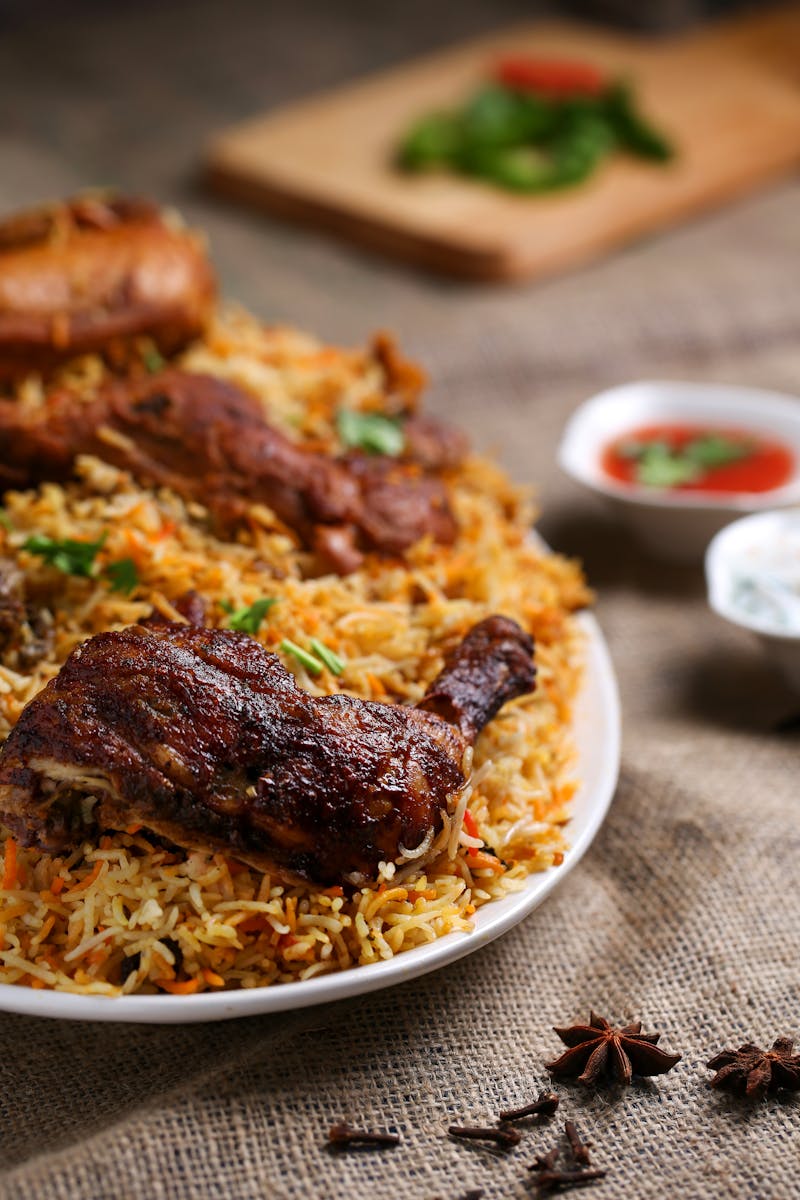
A deep dive into the staple dishes that define daily life in Dogra households across the region.
Read MoreFrom hearty everyday meals and community feasts to courtyard houses and village traditions — discover the warmth of day-to-day life in Duggar Pradesh.
Dogra meals are simple, hearty, and deeply connected to the land. A typical day begins with roti (flatbread), dal (lentils), and seasonal vegetables cooked in mustard oil with local spices. Rajma Chawal (red kidney beans with rice) is perhaps the most iconic Dogra comfort food — slow-cooked and rich in flavour.
Lunch and dinner often include curd, pickles made from raw mango or chillies, and fresh salad. Maa di Dal (slow-cooked black lentils) is a staple across households, while Ambal (a tangy pumpkin dish) makes a frequent appearance during festivals.
Taam is the Dogri word for a communal feast, usually hosted at weddings, religious celebrations, or village gatherings. Everyone in the community is invited — no one is left out. Food is prepared collectively, served on large banana- or sal-leaf plates, and eaten together, sitting on the ground. Taam is more than a meal — it is an expression of togetherness, respect, and shared joy.
Special occasions in Duggar call for a feast that goes well beyond daily fare. At weddings, the menu might include Khatta Meat (a tangy, sour meat curry unique to the region), Mitha Chawal (sweetened rice with dry fruits and saffron), and a spread of seasonal vegetables prepared in generous quantities.
During Navratri, families prepare Sooji Halwa and poori as prasad (blessed food) for the deity. Lohri brings revri, gajak, and chikki. Every festival has its own flavour — and the joy of sharing food with neighbours, guests, and strangers is at the heart of Dogra hospitality.
What makes Dogra festive cooking special is the emphasis on locally sourced ingredients, seasonal produce, and traditional cooking methods — slow-cooked over wood fires, seasoned with home-ground spices, and served with warmth.
Before books and screens, Dogra wisdom was passed from generation to generation through stories, proverbs, and folk tales told around firesides and courtyards.
Dogri proverbs (Akhaann) are short, sharp, and full of everyday truth. They teach values of patience, honesty, hard work, and community. Here are some examples:
"Jehrha bojjha chukki sakde, ohrha uss te paan paande."
→ Those who can carry the load get more heaped on.
Capable people are given even more responsibility — a reminder to value those who step up.
"Baahle hatthaen de rasoiye nahin banndhe."
→ Too many hands spoil the kitchen.
Similar to "too many cooks" — clear roles matter, especially during Taam preparation.
"Jitthe daal galee, utthe rotiyan mallee."
→ Where the lentils are cooked, the rotis are buttered.
Where the basics are strong, everything else falls into place — a nod to Dogra practicality.
"Akkal baade naal aandi."
→ Wisdom comes with age.
A deep respect for elders and experience runs through Dogra culture.
"Apni gali ch kutta vi sher hunda."
→ Even a dog is a lion in its own lane.
People are strongest on home ground — a proverb about confidence and belonging.
"Boliyan laake pyaar kammaida."
→ With sweet words, you earn love.
Gentle speech and warmth build relationships — a value central to Dogra life.
"Mehnta da fal mittha hunda."
→ The fruit of hard work is always sweet.
A favourite saying at harvest time, reminding everyone that effort is always rewarded.
Do you know a proverb, folk tale, or family story from Duggar? We would love to hear it. Share your story with us →
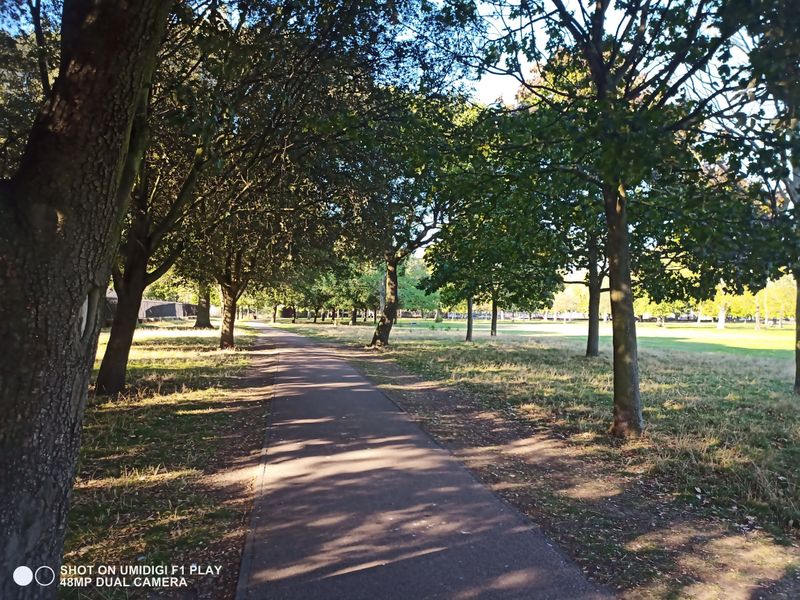
Traditional Dogra homes are beautifully adapted to the hills. Built with a combination of wood, mud, and stone, they feature sloped roofs (to handle rain and snow), central courtyards, and open verandas (barandas) where families gather, cook, and socialise.
The courtyard is the heart of the home — a space for drying grains, playing children, and evening conversations. Many houses have carved wooden doors and window frames that reflect the same artistry seen in Dogra temple architecture.
Beyond private homes, forts like Bahu Fort and temples like Raghunath Mandir and Ranbireshwar Temple stand as cultural landmarks. These spaces are not just historical sites — they remain active gathering places for worship, festivals, and community life.
The everyday traditions of Duggar — recipes passed down from grandmothers, stories told at bedtime, the way a village courtyard comes alive in the evening — are all worth preserving. Share your family recipes, photos, and memories with us.
A deep dive into the staple dishes that define daily life in Dogra households across the region.
Read More