


The Rise of the Dogra Empire: From Chiefs to Kings
How the Dogra chieftains rose from regional power to establish one of India's most significant kingdoms.
Read MoreFrom ancient hill communities and powerful kingdoms to modern challenges — trace the story of Duggar and its people across the centuries.
Duggar (sometimes written Dugar) is the traditional name for the land stretching across the foothills of the Shivalik range, centred around present-day Jammu. The word Dogra refers to the people of this region — a community shaped by the hills, rivers, and seasons of this landscape.
The region has been home to diverse communities for millennia. Nestled between the plains of Punjab and the high Himalaya, Duggar served as a meeting point of cultures, languages, and trade routes. Its geography — fertile valleys, dense forests, and strategic mountain passes — made it both a cradle of civilisation and a crossroads of history.
The people of Duggar have always been known for their resilience, hospitality, and deep connection to the land. The name "Dogra" carries a sense of identity, belonging, and pride that transcends any single caste, religion, or community — it is, at its heart, a cultural identity rooted in shared geography and shared traditions.
The hills of Duggar were historically divided into small kingdoms and principalities — each ruled by local chieftains and rajas. These hill states (Pahari Riyasat) had their own courts, temples, and traditions, contributing to the remarkable cultural diversity of the region.
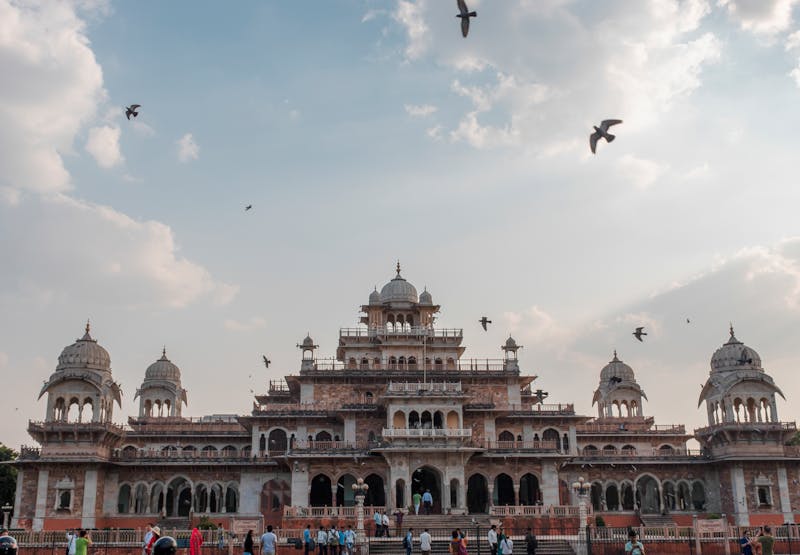
The most significant chapter in Dogra political history came with the rise of the Dogra dynasty, beginning with Raja Gulab Singh in the early 19th century. Under Dogra rule, the kingdom expanded and Jammu became a centre of administration, architecture, and art. The Mubarak Mandi Palace, Amar Mahal, and numerous temples were built during this era, reflecting a blend of Dogra, Rajput, and Mughal architectural styles.
Beyond politics, Dogra rulers were significant patrons of art, music, and literature. The court supported Pahari painters, Dogri poets, and temple builders. Many of the cultural treasures we celebrate today were nurtured during this period of Dogra patronage.
Beyond kings and forts, the true story of Duggar lies in the daily rhythms of its ordinary people — farmers, artisans, and families who shaped the land.
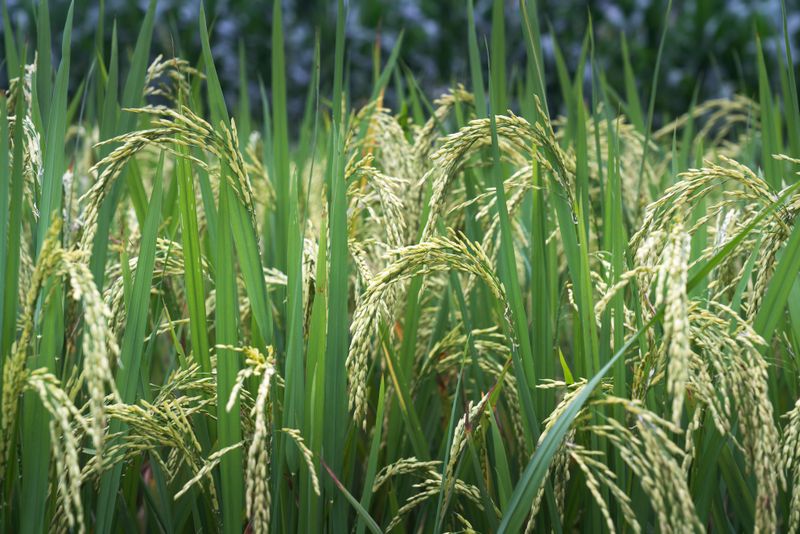
For most of Duggar's history, life centred around farming and pastoralism. Families cultivated wheat, maize, and rice on terraced hillside fields, tended cattle and goats, and relied on seasonal rhythms to guide their year. Rivers like the Tawi and Chenab provided water, fish, and fertile soil.
Village life was communal. Neighbours shared labour during harvests, built homes together, and celebrated festivals as one. Women managed households, wove textiles, and preserved food for the harsh winters. Men worked the fields, tended livestock, and traded at nearby market towns.
Clothing reflected identity and climate: men wore the Kurta-Shalwar with the iconic Dogra Topi (cap), while women dressed in Suthan-Choli adorned with hand-embroidered patterns. Festival attire was more elaborate, featuring the finest embroidery and family jewellery.
Festivals and fairs punctuated the calendar — Lohri bonfires in winter, Baisakhi celebrations in spring, and countless local melas brought joy, trade, and community bonding throughout the year.
The 20th century brought profound change to Duggar Pradesh. The region experienced the upheavals of India's independence movement, the Partition of 1947, and the subsequent reorganisation of states and territories. These events reshaped borders, communities, and daily life across the region.
Migration became a defining experience for many Dogra families. Some moved from villages to the growing city of Jammu; others migrated to Delhi, Punjab, and beyond in search of education and livelihood. With migration came both opportunity and loss — as young people moved away, the intimate village traditions they grew up with began to fade.
The spread of urbanisation and mass media in the late 20th century brought Hindi and English into everyday use, gradually replacing Dogri in many homes, schools, and workplaces. While Dogri was recognised as one of India's scheduled languages in 2003, the shift away from the mother tongue continues to be felt across generations.
Duggar's heritage is rich, but it faces real challenges. The work of preservation is urgent — and it takes all of us.
Dogri is spoken by fewer young people each year. Many children grow up without learning their mother tongue, and the rich oral traditions of proverbs, songs, and stories risk being lost.
Traditional crafts like Basohli painting, Chamba Rumal, and Dogra embroidery face a shortage of new practitioners. Without economic support, many artisans struggle to continue their work.
Historic wooden houses, carved temples, and village structures are being replaced by concrete. Once demolished, this built heritage — shaped by centuries of skill — cannot be recreated.
Duggar Virsa was founded to address these challenges head-on. As an NGO dedicated to preserving Dogri language and Dogra heritage, we work across multiple fronts:
Duggar's history is not just in books and museums — it lives in your family stories, old photographs, handwritten letters, and grandparents' memories. Share them with us, and help build a living archive of Dogra heritage.
How the Dogra chieftains rose from regional power to establish one of India's most significant kingdoms.
Read More